Colorado's Front Range gets the hail, the lightning, and the 70-mph microbursts — and your condenser's been sitting outside through all of it. Storm season runs roughly May through August here, and every year it generates the same three calls: hail-damaged condensers, surge-fried control boards, and “will insurance cover this?” Here's the full briefing before the sky does something about it.
On this page
Hail vs. your condenser: assessment guide
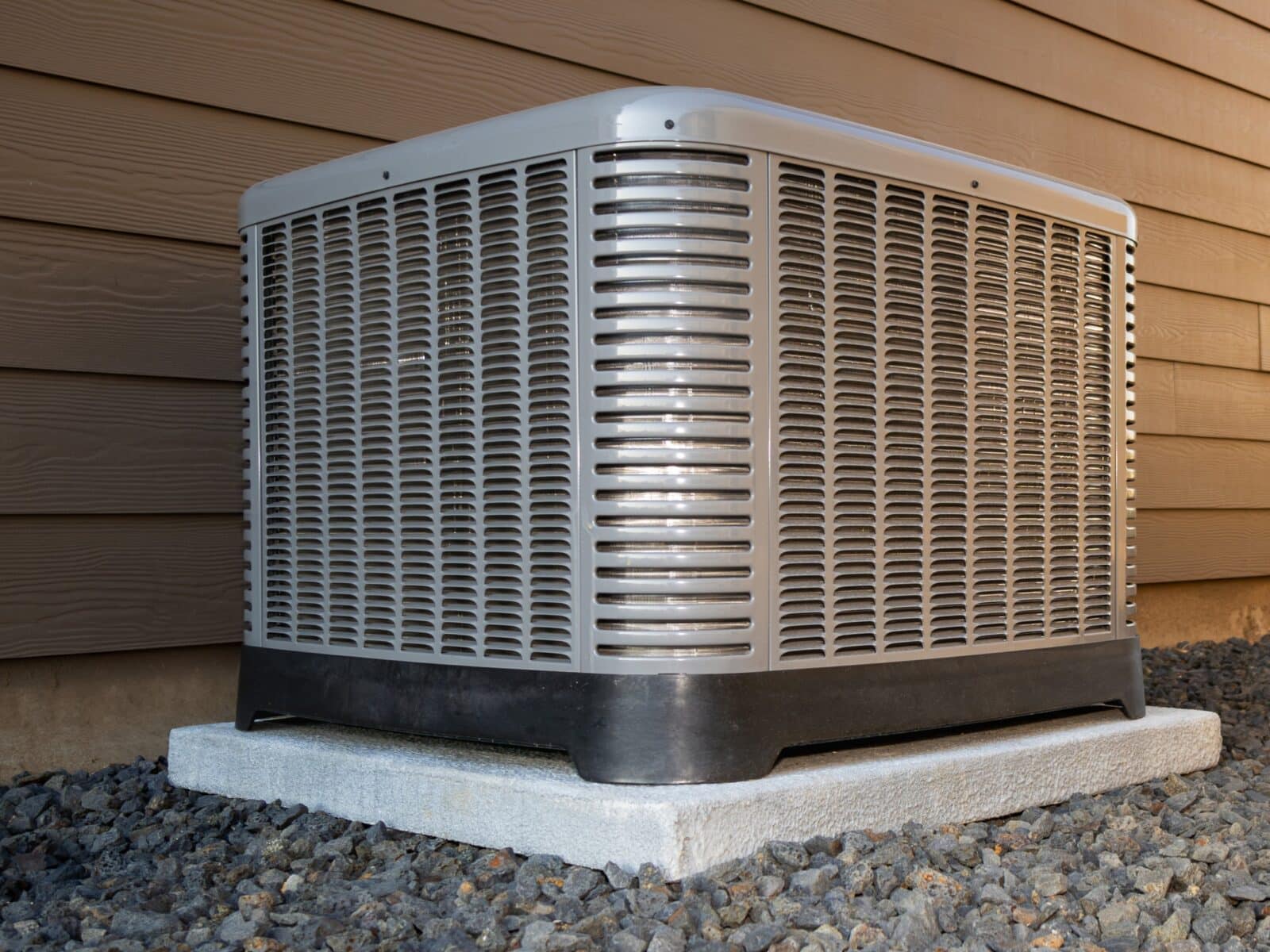
The condenser's aluminum fins are soft by design (maximum surface area for heat transfer) and hail dents them. Assessment:
- Light dimpling, fins mostly straight: cosmetic. Efficiency impact is negligible. Leave it.
- Fins flattened across large areas: airflow restriction is real — the unit works harder and cools worse. A fin comb restoration by a tech can recover most of it; it's a maintenance visit, not a replacement.
- Coil punctured (refrigerant leaking): you'll know by the hissing, the oil stains, or the AC blowing warm a day later. This is a repair-or-replace decision depending on the unit's age.
- Fan blade or grille damage: replace the damaged parts; an unbalanced fan destroys its own motor in weeks.
After any significant hail: hose the condenser gently to clear debris, straighten what you can see is minor, and book a post-storm check if cooling performance dropped. Don't run a unit with a visibly damaged fan — that's how a $200 blade becomes a $600 motor.
Power surges: the invisible storm damage
Lightning doesn't have to hit your house — a strike on a nearby transformer or a grid switching event sends a surge down the line, and modern HVAC control boards are computers that don't survive voltage spikes. The surge-fried board is the #1 post-storm “AC won't start” cause we see, and it looks like nothing from outside.
The $200 fix that prevents the $900 repair: a hard-start/surge protector installed at the condenser disconnect. It's a small device, a quick install, and it absorbs the spike before it reaches the board. If your home has frequent brief outages (flickers that reset clocks), you're in a surge-prone pocket and this is cheap insurance. Whole-home surge protection at the panel is the even better version — protects the HVAC, the fridge, and everything else.
What homeowners insurance actually covers
The short version: sudden storm damage is typically covered; wear and age are not. Hail-punctured coil from last week's storm? Covered, minus your deductible. A 14-year-old condenser that finally died in July? Not covered — that's maintenance and age.
How to handle a claim without pain:
- Document immediately: photos of the damage, date/time of the storm, any news reports of hail in your area. Insurers check storm-verification data; your photos corroborate.
- Get a tech's written assessment first: our post-storm inspection documents what's storm damage vs. pre-existing wear — adjusters take technician reports seriously, and “my AC stopped after the hail” alone is weaker than a written diagnosis.
- Know your deductible math: a $1,000 deductible against a $1,200 coil repair means the claim nets you $200 and a claim on your record. Sometimes paying out of pocket is smarter. We'll give you the real repair number so you can do that math.
- Don't delay: most policies require prompt reporting. “It got hailed on in June and died in August” is a harder claim than June's documented damage.
The post-storm AC checklist (do this after every big one)
- Walk outside: visible damage to condenser, disconnect box, refrigerant lines
- Clear debris: branches, hail-packed leaves blocking the coil
- Check the breaker: storm trips happen; one reset is fine, repeated trips mean call us
- Run a cooling cycle: listen for new noises, confirm cold air within 10 minutes
- Check the thermostat display: blank after a storm = possible surge damage upstream
- Look at the condensate drain: wind-driven debris clogs it; July floods follow June storms
If anything's off, call before the next hot stretch — post-storm weeks are when everyone's AC fails at once, and scheduling beats triage.
Pre-season prep: the 30-minute May ritual
Before storm season: confirm the condenser is level on its pad (frost heave tilts them), clear 2 feet around it, check that the disconnect box closes properly, consider the surge protector if you don't have one, and know where your condenser's breaker is before you need it at midnight. Thirty minutes in May prevents the August emergency.
Surge protection: what to buy
Not all surge protection is equal. Ranked:
- HVAC-specific surge protector (at the condenser disconnect): [TBD] installed. Protects the condenser's board and compressor electronics. The minimum every Aurora home should have.
- Whole-home surge protector (at the main panel): [TBD] installed by an electrician. Protects everything — HVAC, appliances, electronics. The right answer if your panel supports it.
- Plug-in strips: fine for the TV, useless for the condenser. They don't see the HVAC circuit at all.
What to look for: joule rating (higher is better, 50kA+ for whole-home), clamping voltage (lower is better), and an indicator light showing it's still alive — surge protectors sacrifice themselves absorbing hits and die quietly. Check the indicator yearly; a dead protector protects nothing.
We install the HVAC-specific units during any service visit — it's a 20-minute add-on, and after the first nearby strike of the season, it's the best $200 our customers spend all year.
Storm took a shot at your AC?
Post-storm inspection with written damage assessment — for your peace of mind and your insurance claim.
Frequently asked questions
Will hail void my AC warranty?
Hail damage is an “act of God,” not a defect — warranties cover defects, insurance covers hail. They're complementary, not overlapping. Document and claim through insurance.
Should I cover my condenser during hail season?
No — covers trap moisture and restrict airflow, and you can't deploy one fast enough for a surprise hailstorm anyway. The unit is built for weather; protect the electronics with surge protection instead.
My AC worked fine right after the storm but died two weeks later. Related?
Possibly — surge damage can weaken a board that fails later, and slow refrigerant leaks from hail dings take days to show. Document the storm date anyway; insurers and techs both see delayed failures regularly.
Does renters insurance cover AC storm damage?
The AC unit itself is the landlord's property and their claim. Your renters policy covers your belongings. Report unit damage to your landlord promptly — that's what triggers their coverage.
How do I know if my surge protector is still working?
Check the indicator light — green means alive. No light or a red fault light means it sacrificed itself in a past strike and needs replacement. Check it every spring; they die quietly.
My neighbor's AC was destroyed by hail but mine looks fine. Lucky?
Maybe — or maybe yours took fin damage that's invisible from the ground but restricting airflow. If your cooling seems weaker after a hailstorm even with no visible damage, get the post-storm check. Flattened fins don't always photograph well from six feet away.
PROUDLY SERVING AURORA, CO 80011