
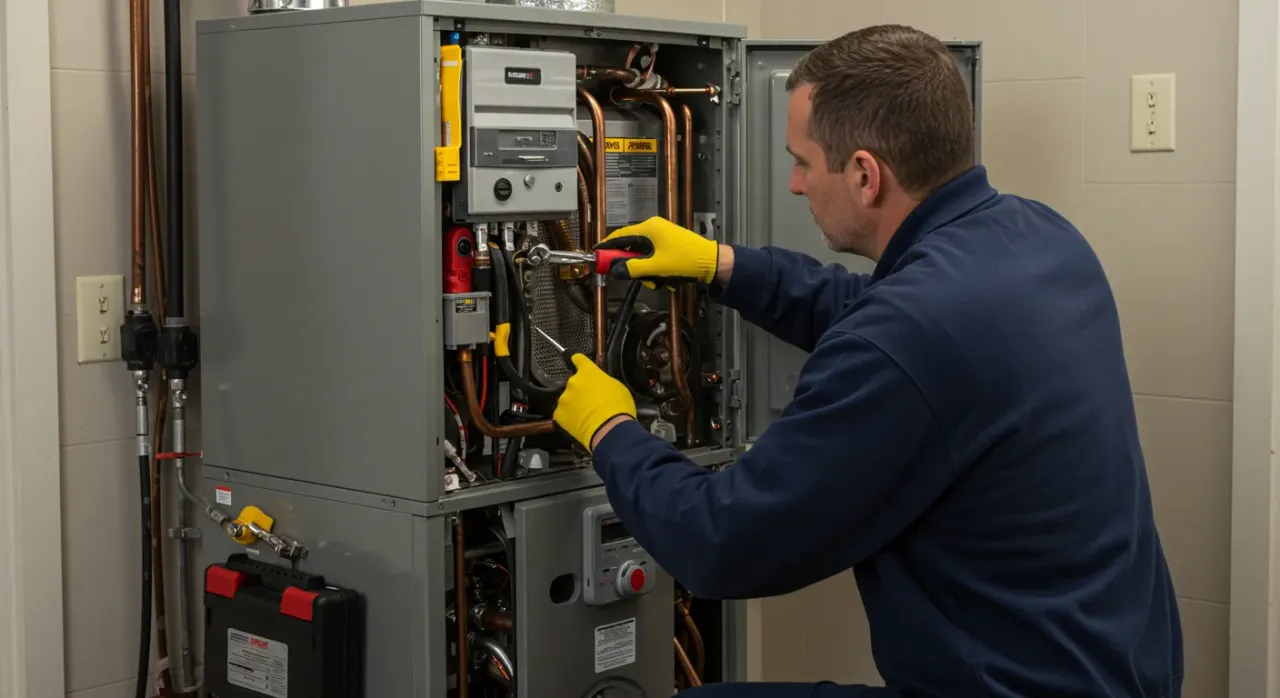
Replacement starts with the house, not the old label
An old furnace label describes the old appliance, not necessarily the current heating requirement. Window, insulation, additions and duct changes can alter the building. Ask the contractor how the proposed capacity was selected and which assumptions were used. Confirm fuel type, equipment location and available service access. A larger furnace is not automatically a better answer to rooms that never warm up.
Look beyond the equipment price
A replacement proposal should identify the furnace model and the work around it: venting, condensate management where applicable, return and supply transitions, controls and removal. Ask which existing components are being reused and how their suitability will be established. Confirm who handles applicable permits and inspections. Do not assume a low equipment-only price covers the complete installed scope.
Commissioning and records matter
Ask what startup measurements and operating checks will be documented, which thermostat functions will be demonstrated and what maintenance information you will receive. Keep model and serial details, warranty documents and installation records together. Confirm the difference between manufacturer coverage and the installer’s labor terms. Availability, payment terms and any rebate eligibility must be established directly with the provider and relevant program.
Before arranging a visit
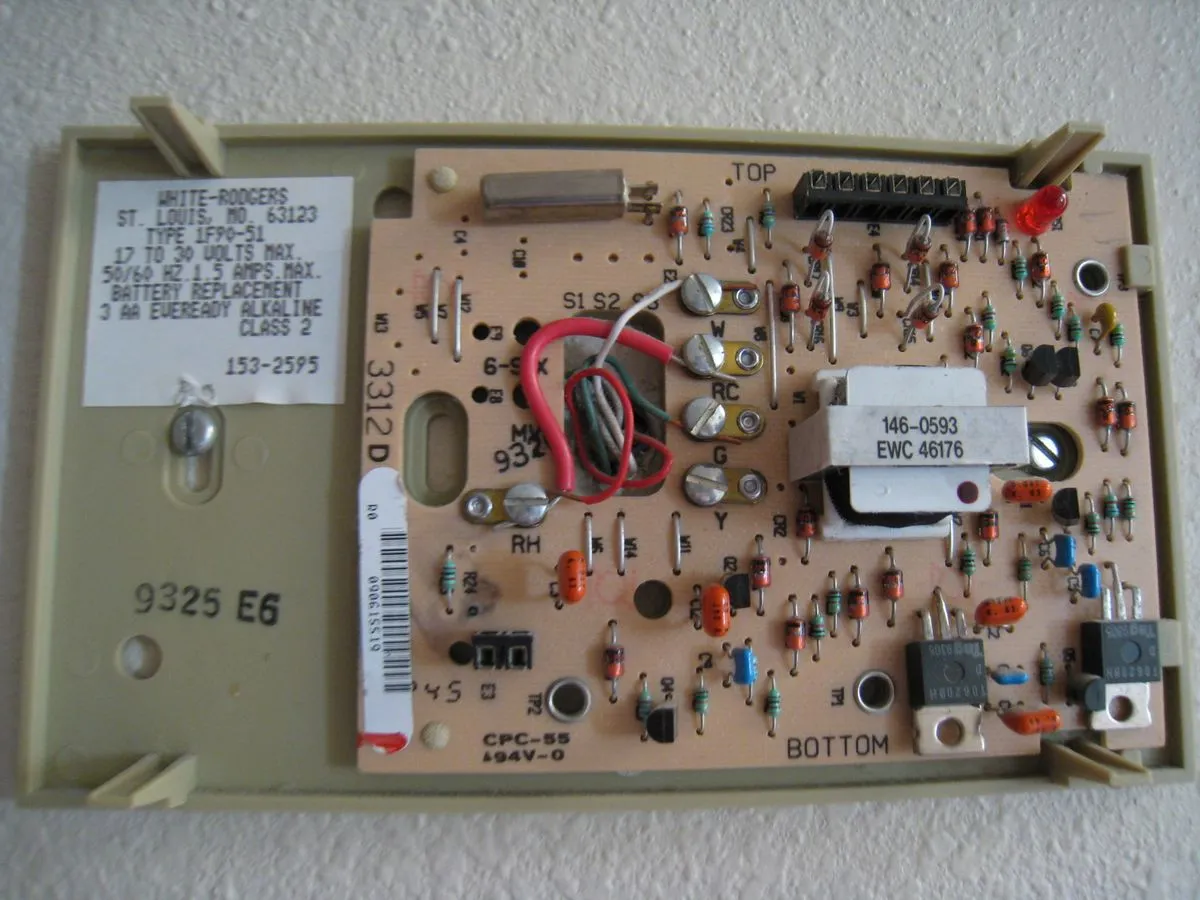
Have the property address, equipment type and a short symptom timeline ready. Share the model information only if it can be read safely. Tell the provider about earlier repairs, access restrictions and any water near electrical equipment. Confirm the provider’s identity, qualifications, diagnostic charge and current availability before booking. The contact address on this website does not represent a public showroom or a separate branch in each community.
Approve a clear written scope
Ask for the findings, proposed work, total charges and important exclusions before work begins. For installation, confirm who handles applicable approvals, startup records and removal. Ask how manufacturer and labor terms differ and what follow-up is included. General information on this site cannot diagnose your system or establish a binding price. Keep the final report, invoice and equipment details for future service.
ENERGY STAR: choosing a heating and cooling contractor · DOE: proper sizing of HVAC systems
General resources do not establish the diagnosis, price or suitability of equipment at your home.